
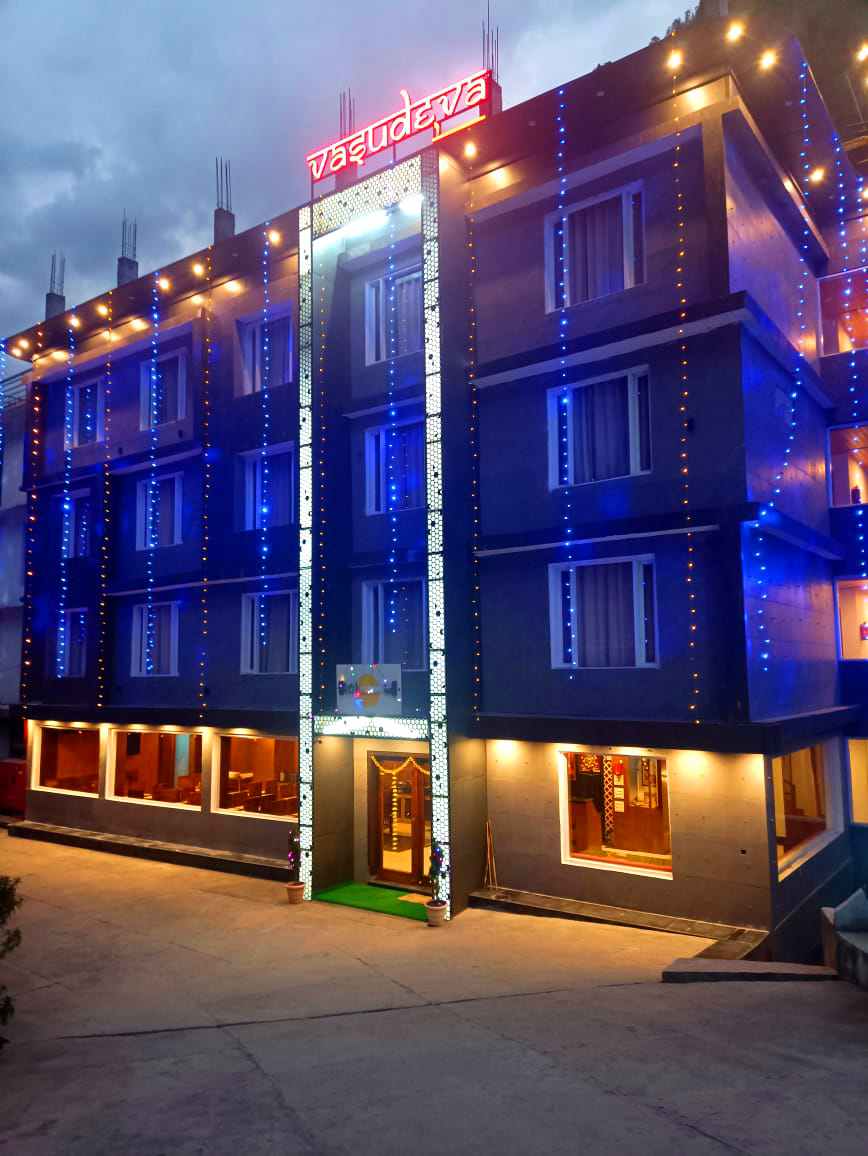
ABOUT HOTEL VASUDEVA INN
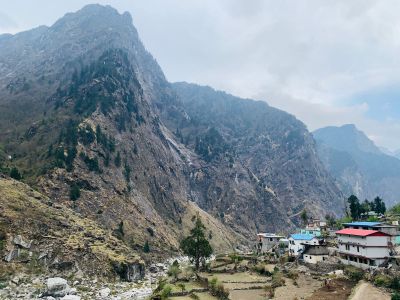
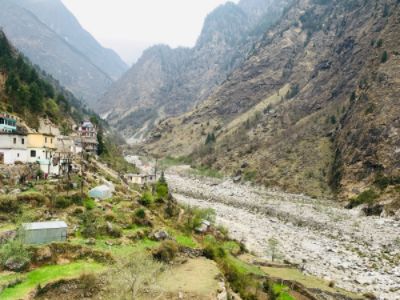
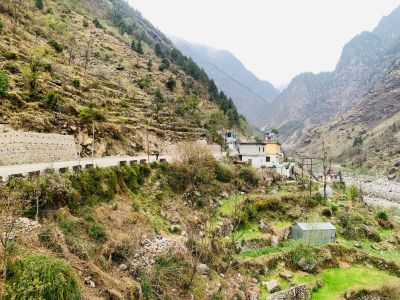
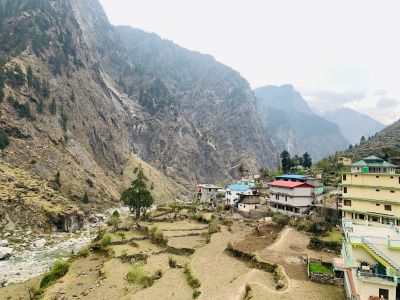
Hotel vasudeva inn is located between Badrinath and Joshimath in a village called pandukeshwar. Hotel vasudeva is exactly 21 kms from Badrinath. Pandukeshwar is the place where the idol of udhav ji is kept after the door of the badrinath ji are closed for winter.
The dhayan badri temple built by the pandavas is also located in pandukeshwar. Apart from this, the Temple of Kuber ji and Ghantakaran ji is also located in pandukeshwar. Govind ghat is situated exactly 2 kms from here, from where the journey of hemund sahib starts and the way to the Valley of Flowers is also from Govindghat.
ABOUT BADRINATH DHAM
.jpg
)
Badrinath or Badrinarayana Temple is a Hindu temple dedicated to Vishnu which is situated in the town of Badrinath in Uttarakhand, India. The temple is also one of the 108 Divya Desams dedicated to Vishnu, who is worshipped as Badrinath—holy shrines for Vaishnavites. People following the Jain religion worship the temple and idol belonging to Rishbhdev (Rishabhanatha) or Adinath, the first Tirthankar of Jainism.[citation needed] It is open for six months every year (between the end of April and the beginning of November), because of extreme weather conditions in the Himalayan region. The temple is located in Garhwal hill tracks in Chamoli district along the banks of Alaknanda River.It is one of the most visited pilgrimage centers of India, having recorded 1,060,000 visits. The image of the presiding deity worshipped in the temple is a 1 ft (0.30 m), the black granite deity of Vishnu in the form of Badrinarayan.
The deity is considered by many Hindus to be one of eight swayam vyakta kshetras, or self-manifested deities of Vishnu Mata Murti Ka Mela, which commemorates the descent of river Ganges on mother earth, is the most prominent festival celebrated in the Badrinath Temple. Although Badrinath is located in North India, the head priest, or Rawal, is traditionally a Nambudiri Brahmin chosen from the South Indian state of Kerala. The temple was included in the Uttar Pradesh state government Act No. 30/1948 as Act no. 16,1939, which later came to be known as Shri Badarinath and Shri Kedarnath Mandir Act. The committee nominated by the state government administers both the temples and has seventeen members on its board. The temple is mentioned in ancient religious texts like Vishnu Purana and Skanda Purana. It is glorified in the Divya Prabandha, an early medieval Tamil canon of the Azhwar saints from the 6th–9th centuries AD.
Places To Visit Nearby
Pandukeshwar
Pandukeshwar
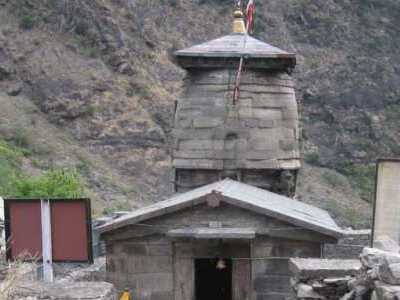
Pandukeshwar is a sacred place located in-route to abode of Lord Vishnu 'Badrinath' at an elevation of 1829 mtrs.as per believe is the place where King Pandu, father of Pandavas of Mahabharat worshipped Lord Shiva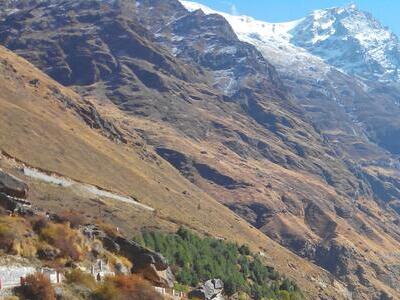
Mana Village
Mana Village
It is the last village of Indian Territory at China Border and is just 3 kms from Badrinath. The villagers of Mana are closely linked with the activities of Shri Badarinath temple .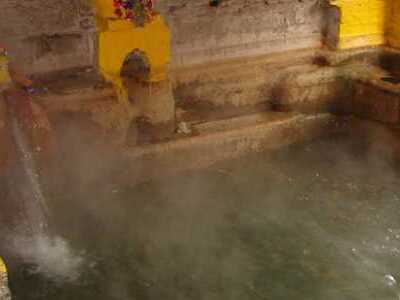
Tapta Kund Badrinath
Taptkund
Taptkund, as the name suggests, is a hot spring, situated between the Badrinath Temple and the Alaknanda River. This thermal spring is located in the Badrinath temple of Chamoli district of Uttarakhand.
Narad Kund
Narad Kund
Narad Kund is adorned in the holy town of Badrinath and is the second prominent attraction of Badrinath. It is a sacred place from where Adi Shankara discovered the idol of Lord Vishnu.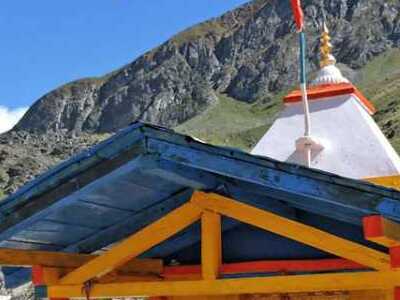
Mata Murti Temple
Mata Murti Temple
Mata Murti Temple is a sacred Hindu temple located at a distance of 3 km from Badrinath. This Devi temple is situated on the right bank of the Alaknanda River.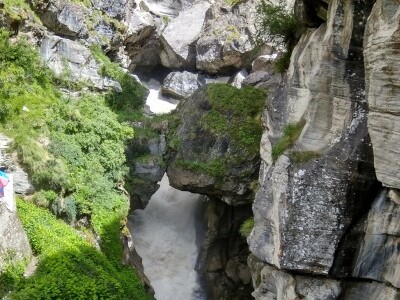
Bheem Pul
Bheem Pul
Bheem Pul is located in Mana, the last village located on the border with Tibet. It is 3 km from Badrinath and is built over Saraswati River.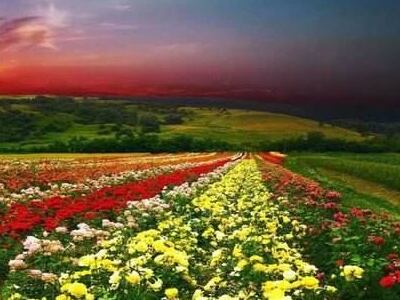
Valley of flowers
Valley_of_flowers
The Valley of Flowers Nestled in the Himalayan Garhwal region near Badrinath, the Valley of Flowers is not only a must-see destination but also due to its proximity to many religious places.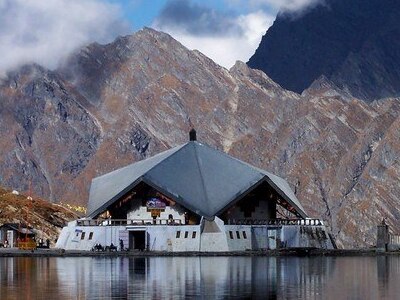
Hemkund Sahib
Hemkund Sahib
Hemkund Sahib is a famous Sikh pilgrimage center located in Chamoli district of Uttarakhand at a distance of 36 km from Joshimath. It is also known as Gurdwara Hemkunt Sahib.jpg)
Neelkanth
Neelkanth
Situated in the Chamoli district of Uttarakhand, Nilkanth or Neelkanth peak stands at a towering altitude of 6,596 meters over the Alaknanda valley and the town of Badrinath.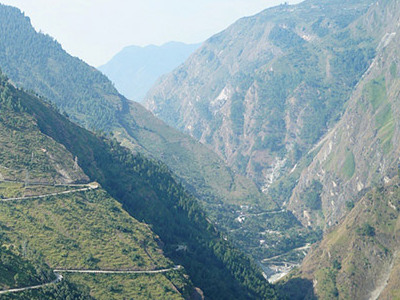
Joshimath
Joshimath
Joshimath, it is the winter seat of Lord Badri and is highly revered due to the fact that Adi Shankaracharya established one of the four 'Maths' here in the eighth century.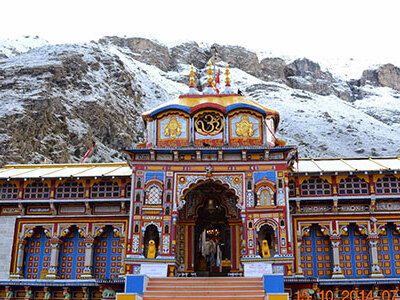
Badrinath
Badrinath
Badrinath, an ancient temple dedicated to Lord Vishnu is one of the four pilgrim centres in the Himalayas that every Hindu yearns to visit at least once in his lifetime.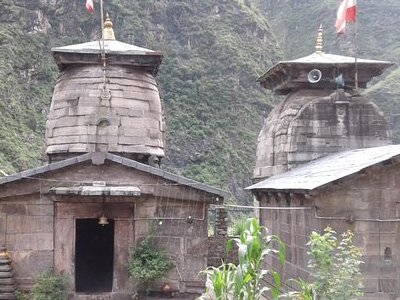
Yog Dhyan Badri
Yog Dhyan Badri
Yogdhyana Badri Temple is as old as the Badrinath temple. Pandukeshwar is 24 kms from Joshimath, in which Yogdhyana Badri Temple is one of the Panch Badri.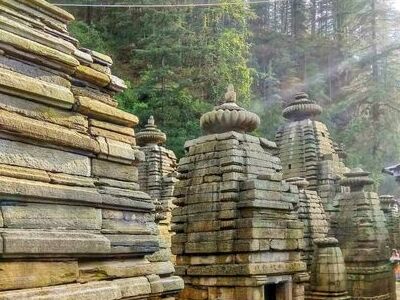
Kuber Temple
Kuber Temple
Lord Kubera is the 'treasurer' of the gods. He is the true representative of wealth, prosperity and splendor. Lord Kubera not only distributes, but also protects all the treasures of this universe..jpg)
Ghantakaran Temple
Ghantakaran Temple
Ghantakarna means Ghandiyal deity. Ghandiyal deity is said to be the protector of Badrinath Dham. Just as Bhairavnath ji is called the protector of Kedarnath.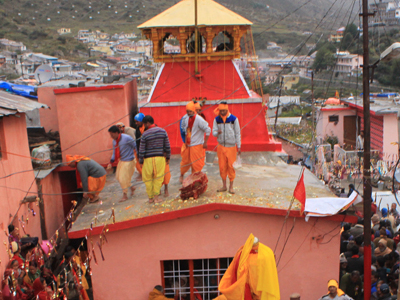
Nanda Devi Maa Temple
Nanda Devi Maa Temple
Maa Nanda Devi Temple is a Hindu temple located in Nauti village of Chamoli Garhwal in the state of Uttarakhand, India. This temple is one of the famous temples of Uttarakhand.Places in badrinath
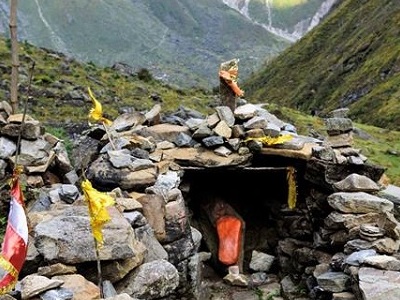
Charanpaduka
Charanpaduka
Charan Paduka, a beautiful rock bearing the footprints of Lord Vishnu is one of the popular attractions of Badrinath. Charan paduka is a sacred rock .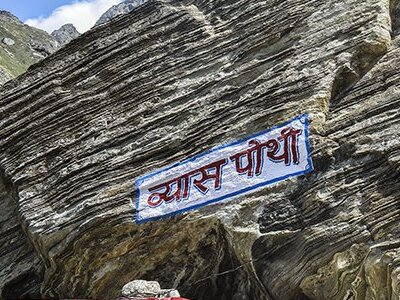
Vyasa Gufa
Vyasa Gufa
Vyas Cave is an ancient cave located a few kilometers away from the famous Badrinath temple in Chamoli district of Uttarakhand.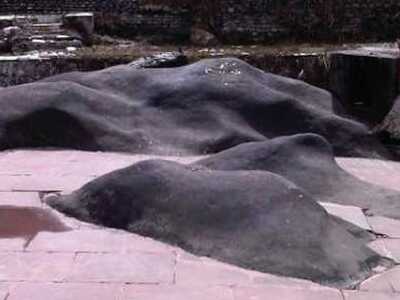
Brahma Kapal
Brahma Kapal
Situated on the banks of Alaknanda River, Brahma Kapal is a place in badrinath which is of great importance for Hindus. It is here they pay homage to the dead souls of their ancestors.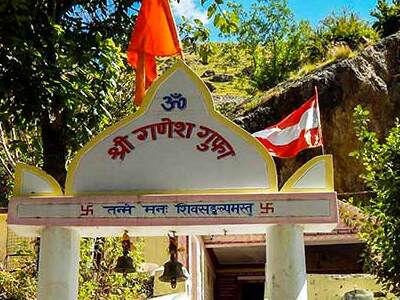
Ganesh Gufa
Ganesh Gufa
It is in this cave that Lord Ganesha wrote Mahabharata. The place where this story was written is still present on the banks of the confluence of Alaknanda and Saraswati rivers.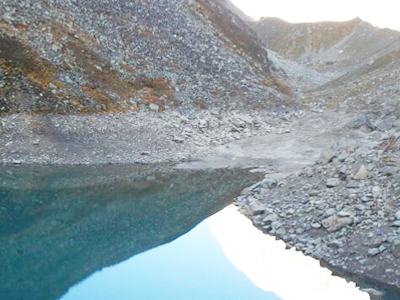
Satopant Lake Trek
Satopant Lake Trek
Satopanth Tal is a crystal clear green water, the triangular lake at an elevation of 4600 meters above sea level and is adorned in the midst of the snow-shrouded peaks.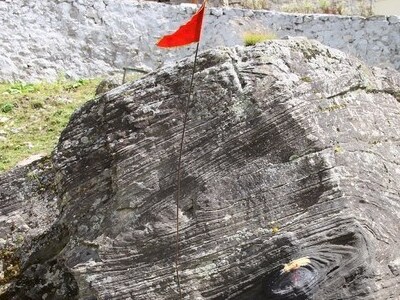
.jpeg)
.jpeg)
.jpeg)
.jpeg)
 (1).jpeg)